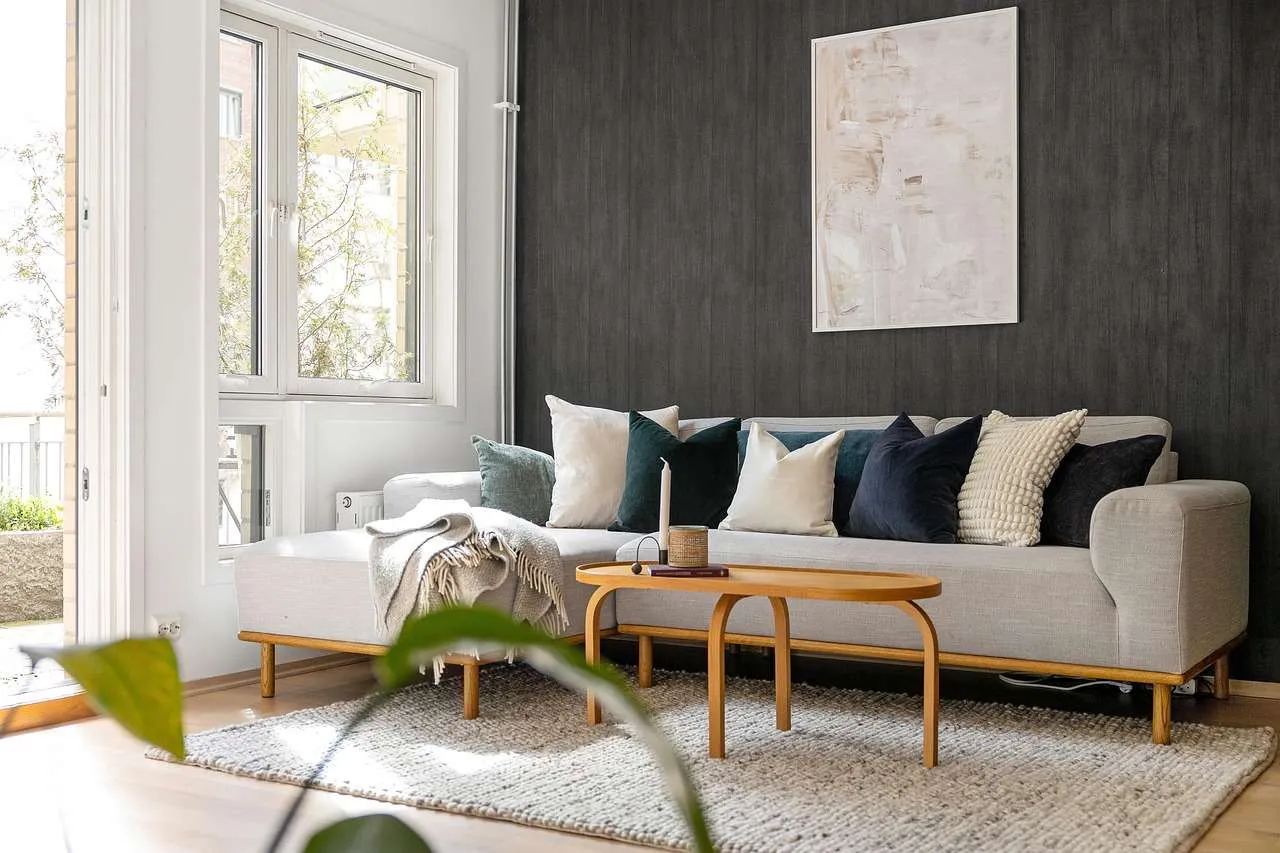
What is Home Window Tinting?
Home window tinting refers to the application of thin films or coatings on residential window glass to improve insulation, reduce glare, enhance privacy, and protect interiors from harmful UV rays. It's a popular solution for homeowners seeking energy efficiency and aesthetic upgrades without replacing the entire window.
Benefits of Home Window Tinting
Window tinting in homes offers a variety of advantages, making it a worthwhile investment:
- Energy Efficiency: Tinted windows reduce heat gain during summer and heat loss in winter, helping to lower heating and cooling costs.
- UV Protection: High-quality films block up to 99% of ultraviolet (UV) rays, preventing furniture, carpets, and artwork from fading.
- Improved Comfort: Reduces glare from direct sunlight, making indoor spaces more comfortable for reading, working, or watching TV.
- Enhanced Privacy: Depending on the film's tint or reflective properties, it can provide privacy without sacrificing natural light.
- Safety and Security: Certain window films help hold glass shards together in case of breakage, reducing injury risk.
- Increased Aesthetics: Available in a range of shades and styles, window films can enhance the appearance of your home.
Types of Home Window Tinting Films
The choice of window film depends on the homeowner's needs, budget, and local climate. Here are the most common types:
| Type | Features | Best For | Average Cost |
|---|---|---|---|
| Dyed Window Film | Provides glare reduction and privacy with a dyed layer; less effective for heat control. | Budget-conscious homeowners wanting basic tinting and privacy. | Low |
| Metalized Film | Contains tiny metallic particles that reflect heat and UV rays; very durable. | Homes in very sunny/hot climates needing strong heat reduction. | Medium |
| Carbon Film | Non-metallic, blocks infrared light, durable and offers a matte finish. | Those seeking energy efficiency without reflective glare. | Medium to High |
| Ceramic Film | Uses ceramic particles for superior heat rejection, UV blocking, and clarity. | Premium option for maximum comfort and energy savings. | High |
| Security Film | Thick, strong film that holds glass together for safety and security. | Homes needing extra protection against break-ins or storms. | Varies |
How to Choose the Right Home Window Tinting Film
When selecting the best window tint for your home, consider the following criteria:
- Climate: Hotter climates benefit from films with superior heat rejection like ceramic or metalized films.
- Budget: Dyed films are cost-effective but less durable, whereas ceramic films provide long-term savings.
- Privacy Needs: Choose films with reflective or darker tints for enhanced privacy.
- Appearance: Consider whether you prefer a matte, glossy, or reflective finish.
- Installation: Professional installation ensures durability and optimal performance.
Professional vs. DIY Home Window Tinting
Deciding between professional installation and a DIY approach depends on experience, budget, and desired results.
| Aspect | Professional Installation | DIY Installation |
|---|---|---|
| Quality of Finish | Smooth, bubble-free, and long-lasting | Risk of bubbles, wrinkles, and uneven application |
| Cost | Higher upfront cost due to labor | Cheaper, only film and tools cost |
| Time | Completed quickly by experts | Time-consuming, especially for beginners |
| Warranty | Most have warranty on film and installation | Usually limited or no warranty |
Maintaining Your Tinted Windows
Proper maintenance ensures your window tint lasts for years:
- Wait at least 30 days after installation before cleaning.
- Use a soft cloth or sponge with mild soapy water.
- Avoid abrasive cleaners or sharp tools that can damage the film.
- Clean regularly to prevent dirt and grime buildup.
- Inspect for any signs of peeling or bubbles and consult a professional if needed.
Environmental and Financial Impact
Home window tinting contributes to a greener home by reducing the reliance on air conditioning and heating systems. This lowers energy consumption and decreases greenhouse gas emissions. Over time, the energy savings can offset the initial cost of tinting.
Summary
Home window tinting is a versatile and cost-effective way to enhance comfort, privacy, energy efficiency, and security within your home. By understanding the different types of window films and their benefits, homeowners can make informed decisions tailored to their climate, budget, and style preferences. Whether opting for professional installation or a DIY project, proper maintenance will maximize the lifespan and performance of tinted windows. Investing in quality window tinting not only protects your home interior but also contributes to a sustainable lifestyle by reducing energy consumption.