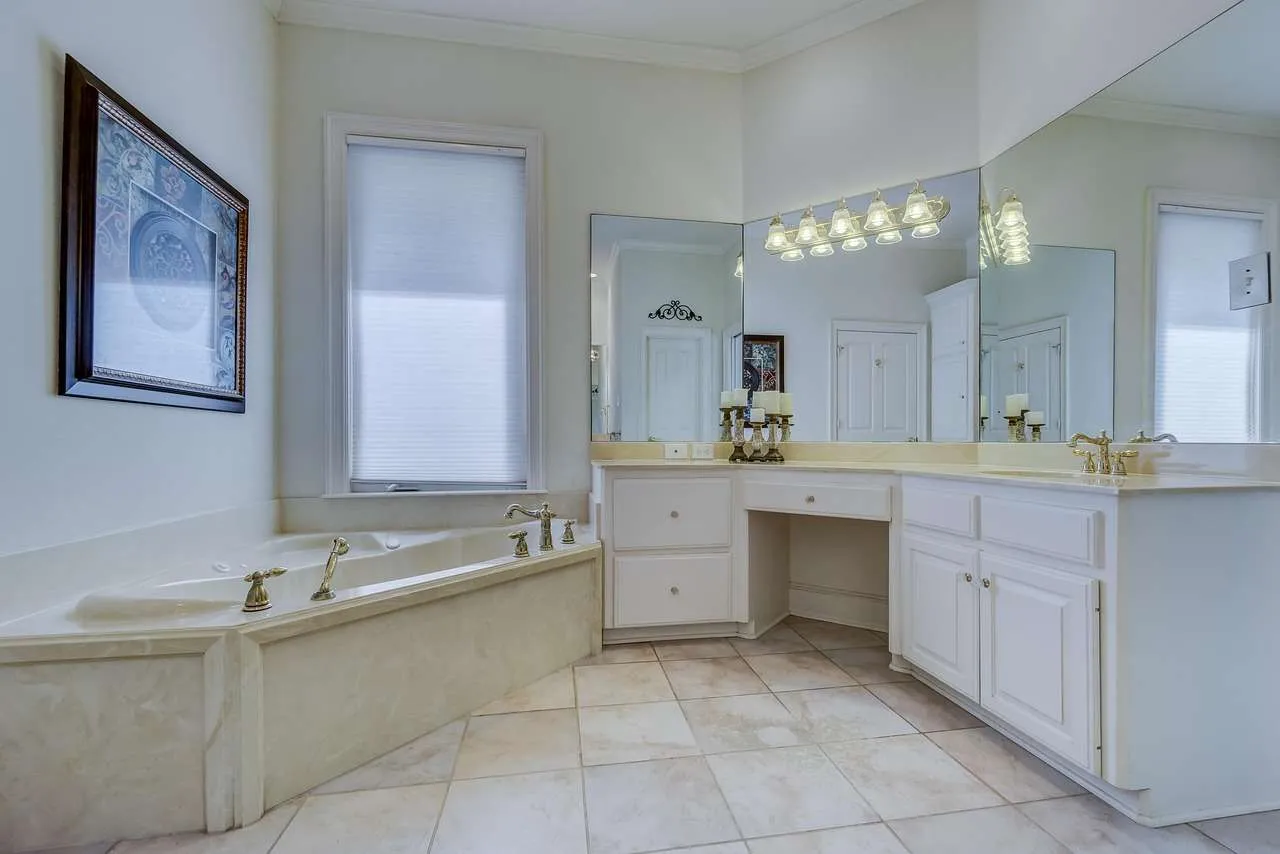
Introduction to Bathroom Decor
Bathroom decor sets the tone for daily routines, creating a space that feels calm, clean, and inviting. A thoughtful decor plan blends style with durability, since bathrooms endure humidity, temperature changes, and high traffic. This guide helps you define your aesthetic, choose practical materials, and assemble a cohesive look that elevates comfort and resale value alike.
Key Principles for Bathroom Decor
Begin with a clear design brief that answers these questions: What mood do you want—calm spa, crisp modern, or rustic charm? What is your budget? How can you maximize storage without clutter? Prioritize quality finishes for tubs, tiles, and vanities, and plan for lighting that complements both task needs and ambiance.
- Consistency: align fixtures, cabinetry, hardware, and textiles to a chosen style.
- Function: prioritize drainage, slip resistance, and moisture resistance for long-term value.
- Lighting: layer task, ambient, and accent lighting to shape the room and highlight decor.
- Color and texture: balance neutrals with tactile surfaces like natural stone, wood, or woven textiles.
Popular Bathroom Decor Styles
Modern and Minimal
Clean lines, uncluttered surfaces, and a restrained palette define modern bathrooms. Materials like porcelain, quartz, and glass keep maintenance simple. A floating vanity, wall-mounted toilet, and frameless glass shower doors enhance the sense of space.
Classic/Traditional
Timeless details such as a pedestal sink, paneled cabinetry, and warm brass or oil-rubbed finishes create a refined feel. Subtle tile patterns, under-cabinet lighting, and ornate mirrors add character without overpowering the space.
Rustic/Farmhouse
Warm woods, stone textures, and vintage-inspired fixtures bring coziness and charm. Sawn-look tiles, a barn door, and open shelving pair well with ceramic or enamel hardware for a lived-in look that still feels fresh.
Coastal/Relaxed
Airy blues, sandy neutrals, and natural textures evoke the sea. Light wood vanity, woven baskets, and breezy textiles promote a casual, spa-like mood while remaining highly practical in humid environments.
Elements That Define the Look
Detail-oriented choices determine whether a bathroom reads polished or casual. Consider these categories when planning or refreshing a space.
Vanities, Storage, and Surfaces
Choose vanity height, depth, and storage that fit your daily routines. Soft-close drawers, integrated lighting, and moisture-resistant countertops ( quartz, solid surface) simplify upkeep and preserve aesthetics.
Mirrors, Lighting, and Hardware
Invest in a mirror that flatters your lighting plan. sconces on either side of the mirror reduce shadows for makeup or shaving. Hardware in finishes that complement faucets and fixtures ties the room together.
Tiles, Countertops, and Fixtures
Tile scale matters: large-format tiles minimize grout; smaller mosaics add detail in showers. Countertops should resist water damage; choose engineered stone or solid surfaces. Fixtures should balance water efficiency with style.
Textiles and Accessories
Soft towels, a rug with a non-slip backing, and a practical shower curtain or enclosure can transform the mood. Use textures like cotton, jute, or linen to add warmth while staying easy to clean.
Color Palettes and Lighting
Start with a dominant color and introduce accent tones through towels, artwork, and accessories. Light-reflecting surfaces ( glossy tiles, chrome or nickel hardware) amplify natural daylight. In small baths, use lighter colors to enhance perceived space; in larger baths, bolder accents can create focal points without overpowering the room.
Budgeting and Planning
Plan in phases: foundation (plumbing and electrical), major fixtures, and decor accents. Get swatches, order samples, and test them in your space for true color and texture under your lighting. A well-planned budget prioritizes durable materials in high-moisture areas and saves on trend-led accents that can be swapped later.
DIY vs Professional Help
For cosmetic updates like painting, towels, fixtures, and hardware replacements, DIY can be cost-effective. For plumbing, electrical changes, or major tile work, hiring licensed professionals ensures safety, code compliance, and enduring results. Build a timeline and obtain multiple quotes to compare quality and value.
Style Comparison
| Style | Color Palette | Key Elements | Pros | Cons |
|---|---|---|---|---|
| Modern | Black, white, gray, with occasional bold accents | Floating vanity, frameless shower, minimal hardware | Feels spacious, easy to clean, timeless appeal | Can feel cold if not balanced with warmth |
| Classic/Traditional | Warm neutrals, cream, soft browns | Paneled cabinetry, vintage fixtures, framed mirrors | Elegant and enduring look, high resale value | May require more maintenance and care |
| Rustic/Farmhouse | Earth tones, distressed wood, stone textures | Open shelving, apron-front sink, warm metals | Cozy and welcoming, versatile with textures | Can appear busy if overdone; needs balance |
| Coastal | Soft blues, sandy beiges, whitewashed wood | Light fabrics, natural fibers, sea-inspired accents | Relaxed vibe, bright and airy feel | May require frequent maintenance of light colors |
Maintenance and Longevity
Choose moisture-resistant materials, seal grout, and install a robust exhaust system. Regular cleaning with pH-neutral cleaners protects finishes. Replace small items like soap dispensers and towels every season to keep the space feeling fresh without a full remodel.
Conclusion
Conclusion, a well-executed bathroom decor plan blends style, function, and durability. By selecting a cohesive style, balancing color and light, and prioritizing quality materials for high-use zones, you create a space that feels both chic and resilient. Use thoughtful storage, layered lighting, and tasteful accents to keep the look timeless. Test samples in your space, consider humidity, and invest in a few key pieces that anchor the room. With these principles, your bathroom decor will stay fresh and inviting for years to come.